

Tired of Manual Code Reviews? Coderabbit Automates Feedback and Boosts Quality
The manual code review process, while essential for maintaining code quality, often becomes a significant bottleneck in software development. Developers spend hours scrutinizing pull requests, searching for bugs, security flaws, and inconsistencies, slowing down release cycles.
This is where Coderabbit steps in. As an AI-driven platform, Coderabbit is designed to automate and enhance the code review process, providing intelligent, context-aware feedback directly within your existing development workflows.
In this comprehensive Coderabbit review, we’ll explore its core features, pricing structures, real-world applications, and how it stacks up against competitors. We’ll also highlight its strengths and acknowledge its limitations, helping you determine if Coderabbit is the right solution for your team.
What is Coderabbit?
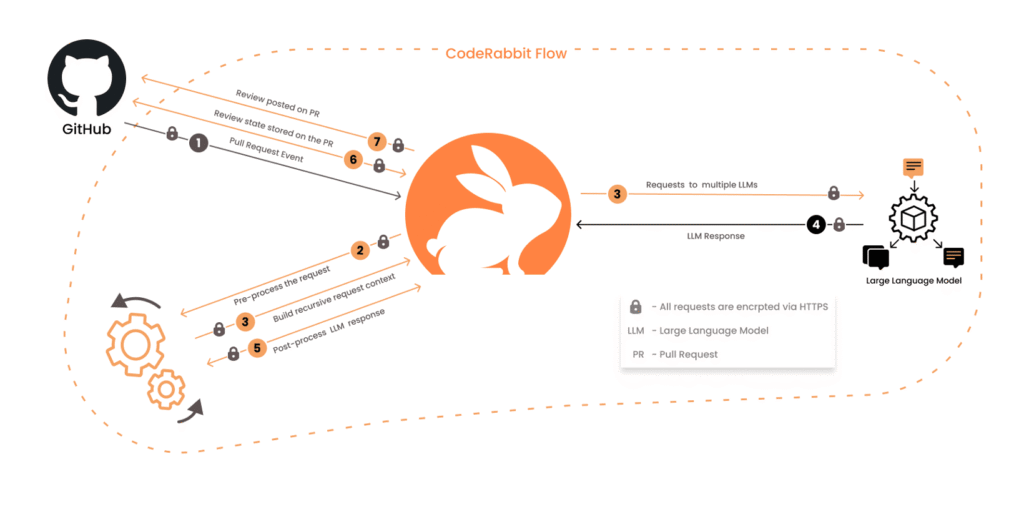
Coderabbit is an AI-powered code review tool that automates the analysis of pull requests (PRs) and delivers intelligent, context-aware feedback directly within the developer’s workflow. It helps identify potential bugs, security issues, code quality concerns, and best practice violations, offering actionable suggestions and one-click fixes.
By leveraging advanced AI, Coderabbit aims to streamline the review process, significantly reduce human effort, and accelerate software delivery while maintaining high code quality. It falls squarely into the category of AI development tools and code quality platforms, designed to integrate seamlessly into modern CI/CD pipelines.
Key Features: A Detailed Breakdown
Coderabbit offers a robust set of features engineered to transform and accelerate the code review process. Here’s a closer look at its most impactful capabilities:
Automated PR Analysis with Line-by-Line Reviews
Coderabbit automatically analyzes every pull request submitted to your repositories. Instead of just flagging general issues, it provides detailed, line-by-line feedback and suggestions directly within the code diff.
This feature is crucial because it mimics the meticulous work of a human reviewer, but at a much faster pace and with consistent attention to detail. Developers receive precise feedback exactly where it’s needed, making it easier to understand the context of the suggestion and implement corrections swiftly.
Context-Aware Feedback & Suggestions
Unlike simpler static analysis tools, Coderabbit leverages large language models (LLMs) and code graph analysis. This allows the tool to understand the broader code context, file dependencies, and even past review preferences of your team.
The result is highly relevant and intelligent suggestions for bugs, refactoring opportunities, and adherence to best practices. This context-awareness significantly reduces the number of irrelevant suggestions, ensuring that the feedback developers receive is genuinely helpful and actionable.
Concise Pull Request Summaries
For complex or large pull requests, understanding the full scope of changes can be daunting. Coderabbit generates quick, easy-to-read summaries of code changes, helping reviewers quickly grasp the intent and impact of a PR.
These summaries save valuable time for human reviewers, allowing them to focus on architectural decisions and complex logic rather than sifting through every line to understand the PR’s purpose. It acts as a helpful overview, accelerating the initial assessment phase.
One-Click Fixes
For many of its suggested changes, Coderabbit provides one-click options to apply fixes directly to the pull request. This capability eliminates the need for manual copy-pasting or context switching between the review interface and the IDE.
The convenience of one-click fixes dramatically speeds up the resolution of minor issues, allowing developers to address feedback instantly and keep their momentum. It minimizes friction in the feedback loop, making code iteration much smoother.
Real-Time Chat & Agentic Capabilities
Developers can interact with the AI review agent through a chat interface directly within their PRs. This allows them to ask questions, provide additional context, or even challenge a suggestion, receiving immediate assistance.
This “agentic” capability means Coderabbit isn’t just a passive linter; it can engage in a dialogue, learn from developer input, and provide more tailored advice. It’s akin to having an AI pair programmer available to discuss changes in real-time.
Integration with Development Workflows
Coderabbit is built for seamless integration. It works with popular platforms like GitHub, GitLab, Bitbucket, and Azure DevOps, embedding reviews directly into your existing development environments.
Beyond Git platforms, it also integrates with IDEs such as VS Code and Cursor, and offers CLI support. This broad integration ensures that developers can access AI-powered reviews exactly where and when they need them, without disrupting their established workflows.
Security & Quality Analysis
The platform performs comprehensive analysis to spot potential runtime errors, logic flaws, and critical security vulnerabilities. By catching these issues early in the development cycle, Coderabbit significantly enhances overall code quality and reliability.
This proactive identification of security and quality concerns helps prevent costly bugs and breaches further down the line. It serves as an automated first line of defense, ensuring that code adheres to high standards before it’s merged.
Code Explainability for Massive Diffs
Reviewing large and complex code changes can be overwhelming. Coderabbit helps reviewers understand these massive diffs by providing contextual insights and walkthroughs.
Instead of just presenting a long list of changes, the tool offers explanations for *why* certain changes were made or *what* their impact might be. This feature is invaluable for maintaining comprehension and ensuring thorough reviews, even for the most substantial pull requests.
Pricing & Plans
Coderabbit offers a flexible pricing structure designed to accommodate various team sizes and needs, including generous options for open-source projects. Plans are typically billed per developer per month.
Free Plan
- Price: Free
- Key Features: Unlimited public and private repositories, pull request summarization, one review per developer per hour. Includes a 14-day free trial of the Pro (Essentials) plan.
- Best for: Individuals, small teams exploring AI code review, or projects with very low PR volume.
Open Source Plan
- Price: Free
- Key Features: Provides public repositories with Team features at no cost. Limits vary based on the repository’s star count.
- Best for: Open-source projects looking for comprehensive AI review capabilities without budget constraints.
Essentials Plan (formerly Pro)
- Price: $24 per developer per month (billed annually) or $30 per developer per month (billed monthly).
- Key Features: Unlocks unlimited PR reviews and line-by-line code analysis.
- Best for: Small to mid-sized engineering teams with regular pull request volumes who need consistent, in-depth AI feedback.
Team Plan (formerly Pro Plus)
- Price: $48 per developer per month (billed annually).
- Key Features: Includes everything in Essentials, plus Triage, issue planning, unit test generation, code simplification, merge conflict resolution, and higher rate limits.
- Best for: Growing teams requiring advanced AI capabilities beyond basic reviews, such as automated test generation and conflict resolution.
Advanced Plan
- Price: $72 per developer per month (billed annually).
- Key Features: Includes everything in Team, and adds continuous pull request security review through CodeRabbit Security.
- Best for: Teams with stringent security requirements that need integrated, ongoing security analysis directly within their PR workflow.
Enterprise Plan
- Price: Custom pricing, starting at $15,000 per month for 500+ users via AWS Marketplace.
- Key Features: Dedicated support, compliance features, and self-hosting options.
- Best for: Large organizations with specific compliance needs, extensive user bases, and requirements for private cloud or on-premise deployments.
It’s important to note that certain advanced features like usage-based reviews, full codebase security scans, and the CodeRabbit Agent are billed separately based on usage, which can add to the overall cost for high-volume teams.
Pros and Cons of Coderabbit
Understanding the strengths and weaknesses of any tool is crucial for making an informed decision. Here’s a balanced look at Coderabbit:
✅ Pros
- Enhanced Code Quality and Efficiency: Coderabbit consistently catches potential bugs, security issues, and code smells, leading to higher quality code and faster PR merge times. Teams report significant improvements in code reliability.
- Seamless Integration: It integrates effortlessly with popular Git platforms (GitHub, GitLab, Bitbucket, Azure DevOps) and IDEs, fitting naturally into existing development workflows. Setup is often described as quick and intuitive.
- Context-Aware and Actionable Feedback: The AI provides clear, context-aware, and actionable suggestions, often with explanations, making it easier for developers to understand and implement changes.
- Significant Time Savings: Automating the initial review pass significantly reduces the manual effort and time spent on code reviews, allowing human reviewers to focus on more complex, architectural aspects.
- User-Friendly and Easy Setup: Many users highlight the superb ease of setup and intuitive interface, allowing teams to quickly link it to repositories for instant functionality.
- Comprehensive Language Support: Coderabbit is designed to work with virtually all programming languages, offering broad applicability across diverse tech stacks.
- Strong Security and Compliance: The platform is SOC 2 Type II certified and GDPR compliant, ensuring high standards for data privacy and security, which is critical for enterprise use.
- Generous Free Tier for Open Source: Offers a valuable free tier for open-source projects, providing comprehensive AI review capabilities at no cost.
❌ Cons
- Potential for Noise and Irrelevant Suggestions: Users sometimes report that suggestions can be nonsensical, repetitive, or overly generic. This may require an initial tuning period to reduce noise and improve accuracy for specific codebases.
- Limited Depth for Complex Issues: While excellent for syntax, style, and common security patterns, Coderabbit may lack the deep architectural or business logic understanding of a senior human reviewer, especially for cross-repository dependencies or highly complex problems.
- Occasional Performance and Software Bugs: Some users have experienced slow performance, laggy loading times, and occasional software bugs leading to incorrect suggestions or broken code states.
- Review Limits on Lower Tiers: The free tier has strict review limits (one per developer per hour), and the Essentials plan has a 150-file review cap, which can be a constraint for very large pull requests or high-volume teams.
- Tuning Period Required: Achieving peak relevance and reducing false positives often requires a 2-4 week tuning period for the AI to learn the codebase and team’s specific preferences and coding standards.
- Customer Support Response Times: Some users have noted that customer support response times could be improved, particularly for urgent issues.
Real-World Use Cases for Coderabbit
Coderabbit excels in various development scenarios, offering tangible benefits across different team structures and project types:
If you’re an Engineering Team with High PR Volume…
Teams that generate a large number of pull requests daily often struggle with review backlogs. Coderabbit automates the initial pass, catching common errors and style issues, freeing up senior engineers to focus on critical architectural decisions and complex logic. This significantly accelerates the merge rate and overall development velocity.
If you’re an Agile Team or Startup focused on Speed…
Agile methodologies emphasize rapid iteration and continuous delivery. Coderabbit helps maintain this pace by embedding immediate, intelligent feedback directly into the workflow. It ensures that code quality doesn’t suffer in the pursuit of speed, allowing startups to ship features faster with fewer post-release bugs.
If you’re a Developer using AI-Generated Code…
With the rise of AI coding assistants like GitHub Copilot, developers often incorporate AI-generated snippets. While powerful, these snippets can sometimes introduce subtle bugs or inconsistencies. Coderabbit acts as a crucial quality gate, scrutinizing AI-co-authored changes to ensure they align with team standards and don’t introduce new issues.
If you’re managing an Open-Source Project…
Open-source projects often rely on volunteer contributions and can have diverse coding styles. Coderabbit’s free Open Source Plan provides robust AI review capabilities, helping maintain code quality and consistency across various contributors without incurring costs. It standardizes feedback and educates contributors on best practices.
How It Compares to Alternatives
The AI code review space is growing, with several strong contenders. Here’s how Coderabbit stacks up against some notable alternatives:
Coderabbit vs. GitHub Copilot Code Review
- Coderabbit Wins: Offers a dedicated, more in-depth, and context-aware review experience with agentic capabilities and one-click fixes. Its core focus is solely on comprehensive code review, often providing more detailed suggestions than Copilot’s review features.
- Copilot Wins: Bundled with GitHub Copilot subscriptions, making it a convenient choice for teams already deeply integrated into the GitHub ecosystem and primarily looking for code *generation* with some basic review. It’s often more about assisting the *writing* process rather than a full, automated review.
Coderabbit vs. Optibot by Optimal AI
- Coderabbit Wins: Stronger emphasis on real-time chat and agentic capabilities within the PR itself, allowing for interactive discussions with the AI. It boasts broader integration across various Git platforms and IDEs.
- Optibot Wins: Known for deep, full-codebase-context reviews with engineering analytics on a predictable flat rate, and no per-PR file cap on its paid plans. It may offer a broader perspective on codebase health beyond individual PRs.
Coderabbit vs. Qodo (formerly CodiumAI)
- Coderabbit Wins: Often praised for its ease of setup and immediate value, especially for PR summarization and line-by-line feedback. Its agentic chat feature is a unique differentiator for interactive review.
- Qodo Wins: Provides automated, customizable feedback on pull requests with strong support for Bitbucket and Azure DevOps. It has a notable focus on test-oriented workflows, often generating relevant tests for new code.
Coderabbit vs. Codacy
- Coderabbit Wins: Purely focused on AI-driven pull request review with deep context and agentic capabilities, making it highly specialized for improving the PR feedback loop.
- Codacy Wins: A broader “code quality enforcement platform” that goes beyond just AI review. It offers codebase-wide security scanning, coverage gates, and compliance evidence, providing a more holistic code quality management system. If you need a full suite of static analysis and quality gates, Codacy might be more comprehensive.
Who Should (and Shouldn’t) Use Coderabbit?
Best for:
- Engineering Teams with High PR Volumes: Accelerates reviews and maintains quality under pressure.
- Agile Teams and Startups: Enables faster iteration cycles without compromising code standards.
- Teams Adopting AI-Generated Code: Acts as a critical quality gate for code produced by AI coding assistants.
- Open-Source Project Maintainers: The free tier offers robust review capabilities for public repositories.
- Organizations Prioritizing Security and Compliance: SOC 2 Type II and GDPR compliance make it suitable for regulated industries.
- Developers Seeking Context-Aware Feedback: The AI’s ability to understand code context and dependencies is a major plus.
Not ideal for:
- Teams with Extremely Low PR Volume: The benefits of automation might not outweigh the cost or setup effort for very infrequent code changes.
- Projects Requiring Extremely Deep Architectural Review: While intelligent, Coderabbit cannot fully replace the nuanced, high-level architectural insights of a seasoned human reviewer.
- Teams Unwilling to Invest in Tuning: To get the most accurate and relevant feedback, a 2-4 week tuning period is often necessary, which might be a hurdle for some.
- Organizations with Very Strict Budget Constraints for AI Tools: While a free tier exists, advanced features and unlimited reviews quickly move into paid plans, which might be a consideration for very small budgets.
- Teams Requiring Full Codebase-Wide Enforcement Platforms: If you need a broader tool for security scanning, coverage gates, and compliance evidence across your entire codebase beyond just PRs, a more comprehensive platform like Codacy might be a better fit.
Final Verdict
Coderabbit stands out as a powerful and highly effective AI-powered solution for automating and enhancing the code review process. Its ability to provide context-aware, line-by-line feedback, coupled with features like one-click fixes and real-time chat, significantly reduces the manual burden on developers and accelerates merge times. The seamless integration with major Git platforms and IDEs ensures it fits naturally into existing workflows, making adoption straightforward for most teams.
While it excels at catching common bugs, security vulnerabilities, and style issues, it’s important to acknowledge its limitations. Coderabbit is not a complete replacement for human reviewers, especially for deep architectural concerns or highly complex business logic. Users should also be prepared for a potential tuning period to optimize feedback relevance and reduce initial noise. However, its comprehensive language support, strong security posture, and generous free tier for open-source projects make it a compelling choice for many.
For engineering teams looking to boost productivity, improve code quality, and free up their senior developers for more strategic tasks, Coderabbit offers substantial value. It’s an “additional pair of eyes” that works tirelessly, ensuring higher quality code is shipped faster.
Overall Rating: 8.7/10
Coderabbit earns a high rating for its robust feature set, excellent integration, and significant positive impact on development efficiency and code quality. Its few drawbacks are largely manageable with proper tuning and understanding of its scope.
Try Coderabbit and Automate Your Code Reviews →
FAQ
What is Coderabbit and how does it work?
Coderabbit is an AI-powered tool that automates code reviews by analyzing pull requests (PRs) and providing line-by-line, context-aware feedback. It integrates with platforms like GitHub and GitLab, offering suggestions for bugs, security issues, and best practices, often with one-click fixes.
Is Coderabbit free to use?
Coderabbit offers a free plan for individuals and a dedicated free plan for open-source projects. These plans have certain limitations, such as review caps. Paid plans, starting from $24 per developer per month (billed annually), unlock unlimited reviews and advanced features.
What programming languages does Coderabbit support?
Coderabbit is designed to work with all programming languages. Its AI models are trained to understand diverse codebases, providing comprehensive feedback regardless of the language used in your project.
How does Coderabbit compare to GitHub Copilot’s review features?
Coderabbit is a dedicated AI code review platform, offering more in-depth, context-aware, and actionable feedback with features like agentic chat and one-click fixes. GitHub Copilot’s review features are typically integrated into its broader code generation capabilities and may not offer the same level of specialized review depth.
Can Coderabbit replace human code reviewers?
No, Coderabbit is designed to augment, not replace, human code reviewers. It automates the initial pass, catches common errors, and provides valuable suggestions, freeing human reviewers to focus on complex architectural decisions, business logic, and mentorship. It acts as an intelligent assistant, not a full substitute.
Is Coderabbit secure and compliant?
Yes, Coderabbit is SOC 2 Type II certified and GDPR compliant. It emphasizes data privacy and security, making it a suitable choice for organizations with strict regulatory requirements.